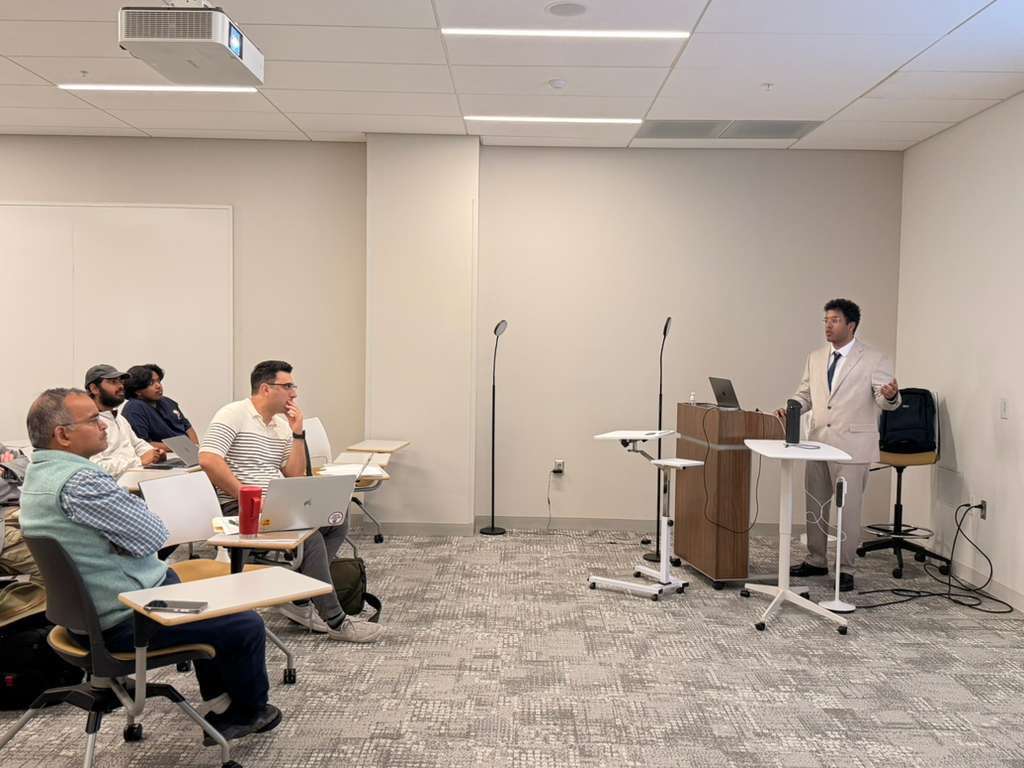

PhD Dissertation Defense
University of South Carolina
Dissertation Overview
A dissertation-scale summary of the problem formulation, architectural choices, and empirical findings.
The central claim of the dissertation is that language-model-based planning should be formulated as a constrained computational problem over explicit symbolic structure rather than as unconstrained autoregressive text generation.
Accordingly, the work combines taxonomy construction, controlled benchmarking, state-centric prediction, graph-based representations, symbolic successor validation, and metacognitive routing to identify where learned components are beneficial and where algorithmic structure is necessary.
Technical TL;DR
Research Arc
Construct a taxonomy of functional language-model roles in planning and analyze category drift across the literature.
Evaluate valid plan generation and characterize the limitations of prompting and fine-tuning under distribution shift.
Replace action-sequence generation with successor-state prediction and symbolic successor selection.
Integrate learned proposers with symbolic verification, repair, and metacognitive control.
Evaluate the resulting methods in dialog systems, trustworthy assistance, and adaptive manufacturing.
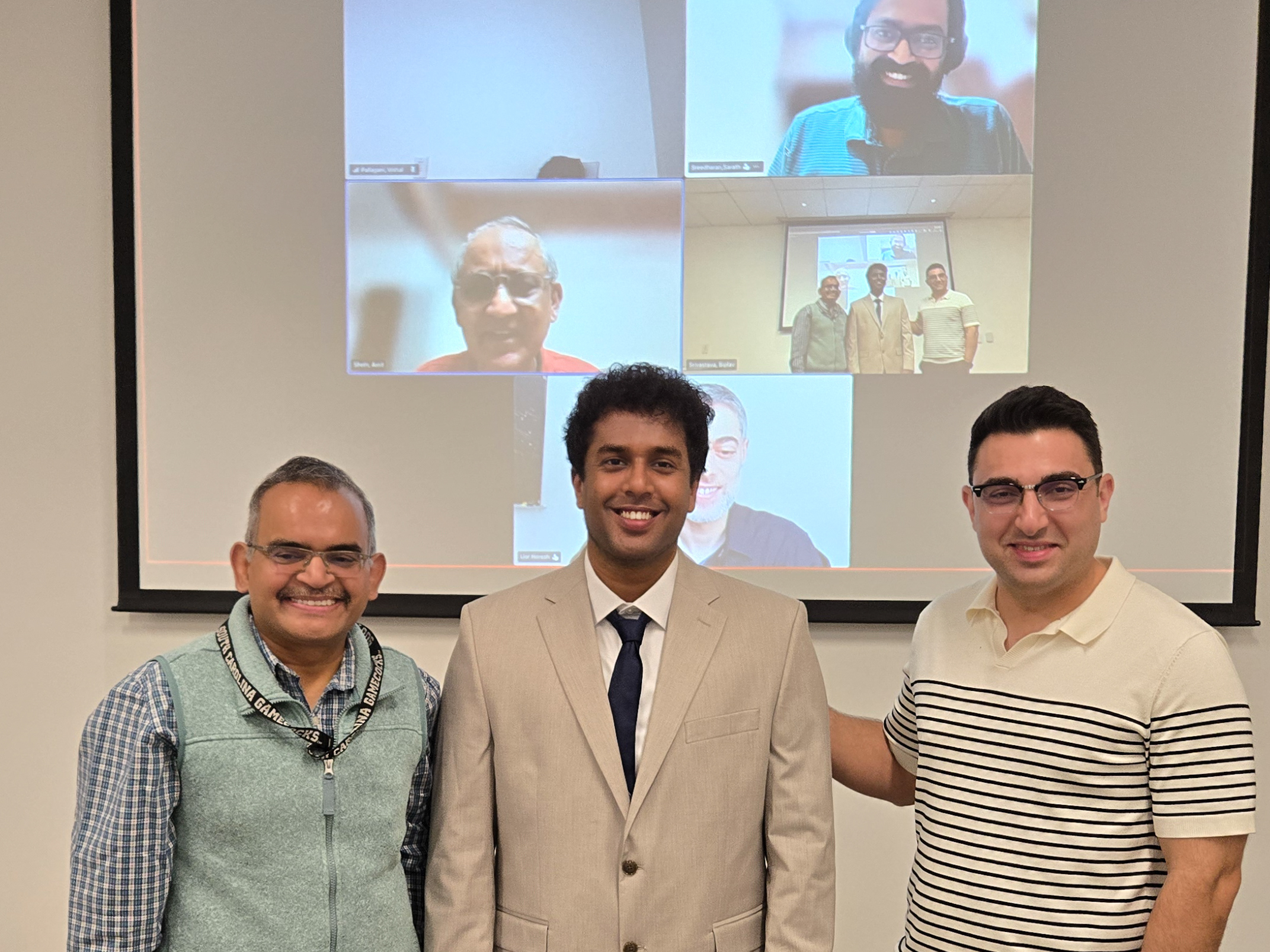
Committee
Major Professor
University of South Carolina

Major Professor
University of South Carolina
Examination Chair
University of South Carolina
Committee Member
IBM Research

Committee Member
Colorado State University